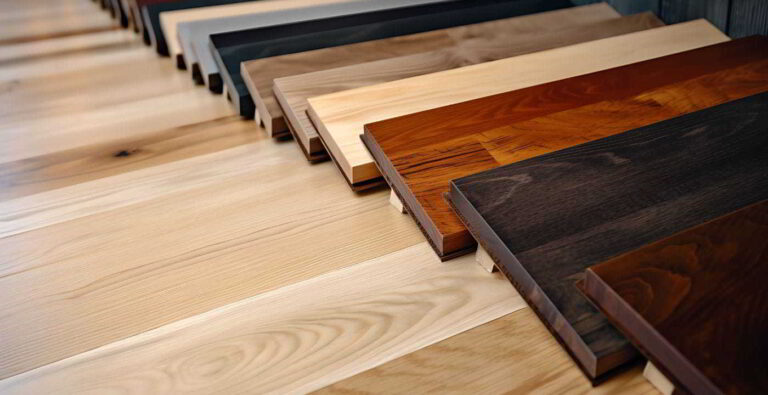
Identify Your Hardwood Floor Type
Before cleaning or taking care of your hardwood floors, it’s crucial to know what kind of flooring you have. Solid hardwood and engineered hardwood behave differently with moisture, temperature shifts, and cleaning items. The finish type is also vital — factory-finished floors are usually more durable, while site-finished floors might need softer care. Knowing your floor type helps you avoid using the wrong items or methods that could lead to warping, dullness, or damage over time.

Set Up a Daily & Weekly Cleaning Routine
Regular cleaning is key to good hardwood floor care. Sweep or vacuum daily to remove dirt that can scratch the surface. Mop weekly with a damp mop to keep floors looking nice without using too much water. Soft-bristle vacuums and microfiber mops are best to avoid scratches. A simple routine like this protects floors better than deep cleaning now and then.
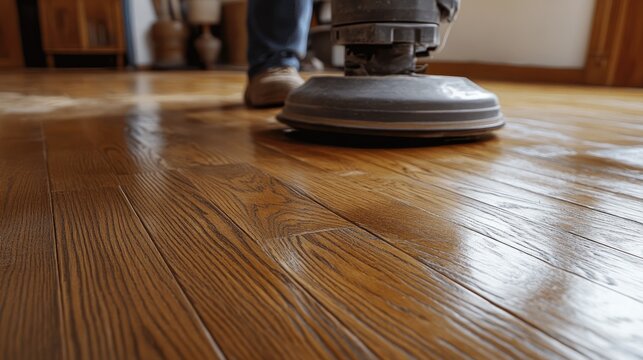
Use the Right Cleaning Products (and Avoid the Wrong Ones)
Some floor cleaners can harm hardwood; using the wrong one might damage the finish or leave dirt-attracting residue. Cleaners made for hardwood clean without wetting the wood or making it dull. Stay away from strong chemicals, steam cleaners, or DIY mixes that might cause harm. Picking the right cleaner keeps the wood and finish safe.
Hardwood Floor Cleaning Products: Safe vs Harmful
| Safe for Hardwood Floors | Can Damage Hardwood Floors |
|---|---|
| pH-neutral hardwood cleaners | Vinegar and water mixtures |
| Manufacturer-approved products | Steam mops |
| Microfiber mop with light moisture | Ammonia-based cleaners |
| Dry or damp (not wet) cleaning | Excess water or soaking |
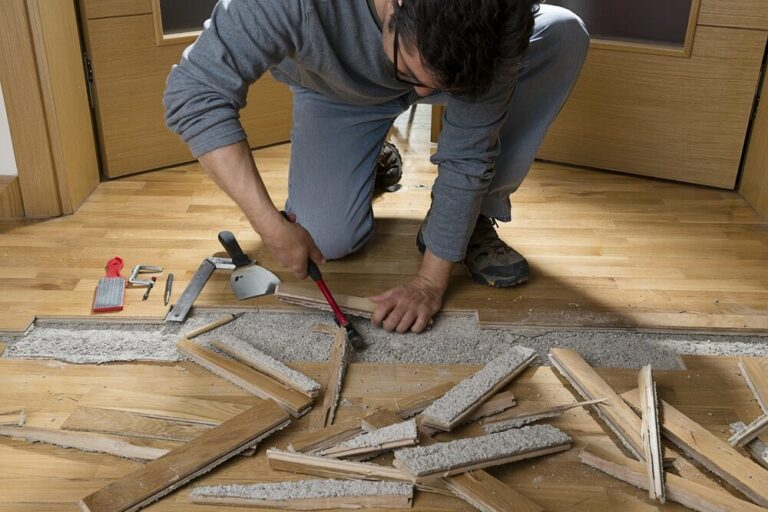
Control Moisture & Indoor Humidity
Wood changes size with humidity levels, so controlling moisture is important for hardwood floors to last a long time. Keep indoor humidity between 35% and 55% all year. If it’s too dry, gaps can form between boards. If it’s too wet, the wood can bend or warp. Use humidifiers in winter and dehumidifiers in summer to protect your hardwood floors.
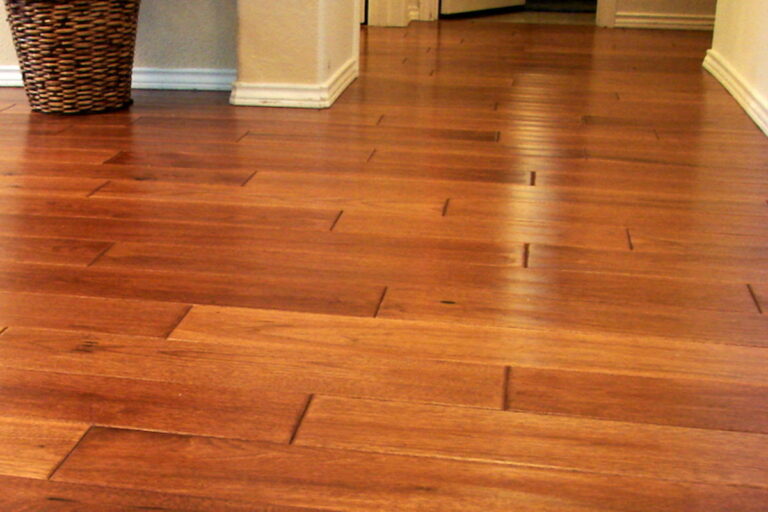
Protect Floors From Scratches & Daily Wear
Stopping damage is simpler and costs less than fixing it. Use felt pads under furniture legs, place area rugs in busy areas, and put entry mats near doors to cut down on scratches and wear. Keep pet nails trimmed and avoid hard-soled shoes inside to make your floors last longer. These easy steps help maintain the finish and keep your floors looking new.
Handle Spills, Stains & Scuffs the Right Way
Spills should be cleaned up right away to stop moisture from getting into the wood. Use a soft cloth and a cleaner safe for hardwood for spot cleaning, and don’t scrub too hard. Light scuffs and marks can usually be removed gently, but deeper stains might show finish wear or moisture damage. Knowing when to call a professional can prevent more damage.
Plan Long-Term Maintenance (Recoating vs Refinishing)
Hardwood floors need care to stay nice. Recoating makes them shine again without sanding. Choosing the right care helps floors last longer and can save a lot of money.
Recoating vs Refinishing Hardwood Floors
| Recoating | Refinishing |
|---|---|
| No sanding needed | Sanding to bare wood |
| Brings back shine | Fixes deep damage |
| Costs less | Costs more |
| Best every 3–5 years | Every 10–20 years |
| Less downtime | More downtime |
Get a Free Hardwood Floor Maintenance Estimate
If your hardwood floors look worn out, professional care can make them look good again. Our experts will check your floors, suggest the best care, and give a free estimate. Schedule your free in-home hardwood floor evaluation today and keep your floors in great shape.