Understand the Core Differences Between Carpet and Vinyl Flooring
When looking at carpet vs. vinyl flooring, the main differences are how they’re made, how they feel underfoot, and how they fit into daily life. Both can look nice, but they work differently once installed.
How Carpet and Vinyl Are Constructed
Carpet is a soft surface flooring made from fibers like nylon, polyester, or wool, woven or tufted into a backing and put over padding. The padding helps with comfort, warmth, and noise reduction.
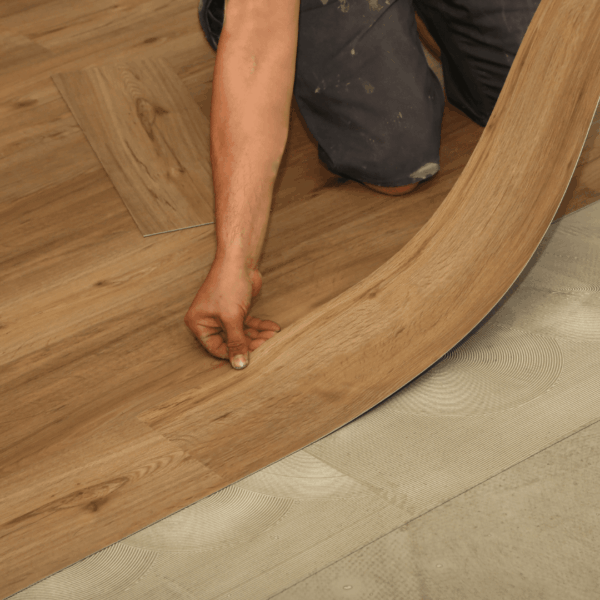
Vinyl flooring, especially luxury vinyl plank (LVP) or tile (LVT), is a multi-layer hard surface product. It has a wear layer for strength, a design layer that looks like wood or stone, a waterproof core, and a backing for stability. This makes vinyl strong and water-resistant.
Soft Surface vs. Hard Surface Living
Carpet is warm, soft, and absorbs sound, great for cozy spaces. Vinyl is firm, easy to clean, and good for areas with spills, pets, or lots of traffic.
Why These Two Floors Appeal to Very Different Lifestyles
Carpet is liked by those who want comfort, coziness, and quiet, often in bedrooms and living rooms. Vinyl suits families needing durability, waterproof performance, and low maintenance, especially in kitchens, basements, and busy areas.
Knowing these differences helps you choose flooring that matches your life, not just your home’s look.
Top Factors to Consider When Choosing Between Carpet and Vinyl Flooring
Comfort and Feel Underfoot
Carpet feels soft and cushioned, comfy for walking and sitting, especially in cooler places. Vinyl is firm but can be comfy with the right underlayment or thicker planks.
Water Resistance and Spill Protection
Vinyl is waterproof, great for areas prone to spills. Carpet absorbs moisture and stains more, so it’s limited in where it can go.
Durability and Daily Wear
Vinyl resists scratches, dents, and wear from pets and kids. Carpet shows wear over time, especially in busy areas, but feels softer underfoot.
Ease of Cleaning and Maintenance
Vinyl is easy to sweep and mop; carpet needs regular vacuuming and sometimes deep cleaning to stay nice and clean.
Lifestyle and Room Usage
Your family’s habits—pets, kids, guests, and foot traffic—are key in picking the best flooring for long-term use.
Carpet vs. Vinyl Flooring Comparison Chart
| Flooring Type | Comfort | Water Resistance | Durability | Maintenance | Best Use Areas | |||||||||||||||||||||||||||||||||||||||||||||||||||||||||||||||||||||
|---|---|---|---|---|---|---|---|---|---|---|---|---|---|---|---|---|---|---|---|---|---|---|---|---|---|---|---|---|---|---|---|---|---|---|---|---|---|---|---|---|---|---|---|---|---|---|---|---|---|---|---|---|---|---|---|---|---|---|---|---|---|---|---|---|---|---|---|---|---|---|---|---|---|---|
| Carpet | ✅ Very Soft | ❌ Not Water-Resistant | ⚠️ Moderate | ⚠️ Moderate | Bedrooms, living rooms, stairs | |||||||||||||||||||||||||||||||||||||||||||||||||||||||||||||||||||||
| Luxury Vinyl Plank (LVP) | ⚠️ Firm but Comfortable | ✅ Waterproof | ✅ High | ✅ Easy | Kitchens, basements, hallways | |||||||||||||||||||||||||||||||||||||||||||||||||||||||||||||||||||||
| Luxury Vinyl Tile (LVT) | ⚠️ Firm | ✅ Waterproof | ✅ High | ✅ Easy | Bathrooms, laundry rooms | |||||||||||||||||||||||||||||||||||||||||||||||||||||||||||||||||||||
| Plush Carpet | ✅ Maximum Cushion | ❌ LowComfort & Feel Underfoot — Warmth, Cushion, and Noise ControlChoosing between carpet and vinyl flooring depends on comfort, especially for areas where you walk barefoot or stand for a long time. Is Carpet More Comfortable Than Vinyl?Usually, yes. Carpet feels softer and warmer because of its fibers and padding. It makes walking easier, reduces noise, and feels cozy. Carpet is great at absorbing sound, which is good for quiet homes. Vinyl flooring is firmer but can be comfortable too. New luxury vinyl feels more stable and less cold, but it doesn’t have the soft feel of carpet. How Vinyl Performs with Area Rugs and UnderlaymentVinyl is flexible. Adding area rugs can make it softer and warmer while keeping it durable and waterproof. Some vinyl floors can have attached or extra underlayment to reduce noise and make the floor softer, especially in upstairs areas. This way, you get a strong vinyl floor that’s also comfortable. Best Choice for Bedrooms, Living Rooms, and Upstairs Spaces
The best flooring depends on your needs—soft comfort or versatile use. A professional consultation can help choose the right flooring for your home. ![]() Durability & Lifespan — Which Flooring Holds Up Better Over Time?For lasting performance, durability is key when choosing between carpet and vinyl flooring, especially in homes with kids, pets, or lots of guests. How Long Does Carpet Last vs. Luxury Vinyl Plank (LVP)?Typically, carpet lasts 7–10 years before showing wear, depending on fiber, padding, and foot traffic. High-quality carpet can last longer in low-traffic areas like bedrooms, but hallways and stairs show wear faster. Luxury vinyl plank (LVP) usually lasts 15–25 years with proper installation and care. Its multi-layer build and protective layer are made for daily use, making it a good long-term choice for many homeowners. Resistance to Wear, Scratches, and FadingCarpet can have wear paths, matting, and stains in busy areas. Sunlight can fade it over time, especially if it’s lower quality. LVP is better at resisting scratches, dents, and wear than carpet. Quality vinyl can handle moving furniture, pets, and daily impacts without damage. Many also have UV-resistant coatings to reduce fading from sunlight. How Pets and Kids Affect Each Flooring TypeHomes with pets and kids test floors. Carpet can trap pet hair, odors, and allergens, and accidents can stain padding. Vinyl flooring is pet-friendly and kid-proof—it’s waterproof, easy to clean, and doesn’t hold spills or odors. For those who want durability and less stress, vinyl flooring usually beats carpet. Using vinyl in busy areas and carpet in bedrooms can offer both benefits. Carpet vs. Vinyl Flooring: Durability, Lifespan & Cost Comparison
![]() Water, Spills & Moisture — A Critical DifferenceWater affects carpet and vinyl floors differently. Picking the wrong floor for wet areas can cause stains or smells. Why Vinyl Is Waterproof and Carpet Is NotLuxury vinyl floors have a waterproof core and sealed surface. Spills stay on top and can be wiped up easily. Carpet is absorbent. Liquids go into the fibers and padding. Even quick cleaning may not stop moisture from causing odors or stains. Best Flooring for Basements, Kitchens, and BathroomsVinyl is best for places with lots of moisture:
Carpet suits dry places like bedrooms and living rooms. What Happens When Carpet Gets Wet (and When Replacement Is Required)If carpet gets wet from spills or leaks, it can damage the padding and subfloor. If not dried quickly, replacement might be needed to stop mold or smells. Sometimes, even cleaning can’t fix it. For those worried about spills or leaks, vinyl floors offer more confidence than carpet. ![]() Maintenance & Cleaning — Daily Life with Carpet vs. VinylWhen deciding between carpet and vinyl, think about how much time you want to spend cleaning. Daily upkeep is where many people notice the biggest difference. Vacuuming vs. Sweeping & MoppingCarpet needs regular vacuuming to get rid of dust and dirt. In busy homes, this can mean vacuuming a few times a week, especially with pets or kids. Vinyl floors are easier to take care of. Sweeping or vacuuming and sometimes mopping usually keeps them clean. Dirt stays on top, making it easy to clean. Stain Resistance and Spill CleanupSpills on carpet need quick action. Even then, liquids can soak in, causing stains or smells. High-traffic areas might also change color or flatten over time. Vinyl floors are non-porous and stain-resistant. Most spills are easy to clean and don’t leave marks. Vinyl doesn’t absorb odors, making it great for homes with pets, kids, or lots of visitors. Which Flooring Is Easier to Keep Looking New?Vinyl is better for keeping a fresh look. Its surface protects against wear and fading, and regular cleaning keeps it nice for years. Carpet can still look nice, but it needs more care, like deep cleaning every 12–18 months to stay clean and fresh. For those wanting flooring that’s easy to maintain and fits a busy life, vinyl is a clear choice over carpet. ![]() Cost Breakdown — Carpet vs. Vinyl FlooringCost matters when picking between carpet and vinyl, but look at more than just the price. Think about installation, care, and how long it lasts to see the real cost over time. Average Material Costs per Square FootCarpet usually costs less at first, with prices around $2–$4 per square foot for basic types and $4–$7 per square foot for better materials. Carpet padding costs extra and adds to comfort and life. For details, see our Carpet Flooring Cost Guide. Luxury vinyl plank (LVP) usually costs $3–$6 per square foot, with special types costing $7 or more per square foot. Vinyl can be a better choice for the long run. Check our Vinyl Flooring Cost Guide for more info. Installation Cost DifferencesCarpet is often cheaper and quicker to install, costing $1–$3 per square foot based on room shape and old floor removal. Vinyl installation costs a bit more, usually $2–$5 per square foot, due to floor preparation and cutting needs. Quality installation helps vinyl last longer. Long-Term Cost of OwnershipCarpet might need changing every 7–10 years and requires cleaning to stay nice. Vinyl can last 15–25 years or more with little upkeep. Over 15–20 years, vinyl often turns out more cost-effective, even with higher starting costs, especially if you have kids, pets, or heavy use. Getting a professional estimate helps compare costs based on your space and needs. Carpet vs. Vinyl Flooring: Cost & Long-Term Value Comparison
![]() Common Mistakes to Avoid — Pro Tips for Choosing Carpet vs. VinylWhen choosing between carpet and vinyl flooring, many people only look at the price. While cost is important, picking the wrong floor for the room, moisture, or use can cost more later. Carpet in damp areas can get smelly, stained, or need replacing. People often forget how lifestyle and foot traffic affect floors, especially with kids, pets, or guests. Experts say it’s good to be strategic. Often, using both carpet and vinyl works best, like vinyl in busy or damp areas, and carpet where it’s quiet and cozy. Using better carpet padding or a thicker vinyl layer can make floors last longer and feel better. Think about changes in your home in the next 5–10 years—pets, kids, selling plans—and pick floors that handle future needs. Click here to schedule your free in-home consultation and let’s take the next step toward the perfect floor for your space. ![]() Request a consultationMeet with one of our skilled project specialists to get started |